Unveiling Tranquility in the Metropolis: Tokyo's Hidden Havens of Calm
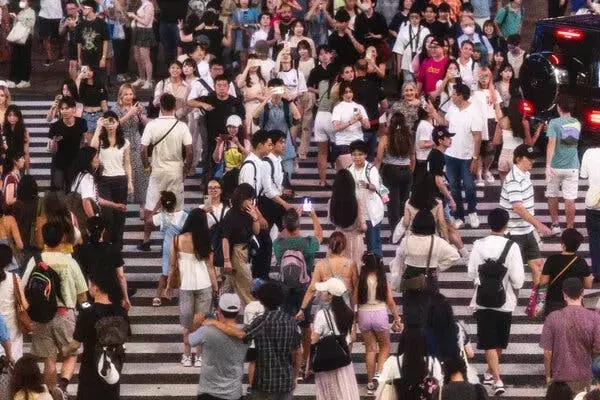
Tokyo, a city globally renowned for its frenetic energy and staggering population density, surprisingly excels at integrating pockets of profound tranquility within its urban tapestry. This distinctive ability to weave serene havens into the heart of a bustling metropolis is a testament to Japanese design principles, particularly the concept of 'shichu no sankyo' – "dwelling in the mountain inside the city". These calming environments, whether ancient shrines, meticulously designed gardens, or quiet cafes, provide residents and visitors alike with crucial opportunities to decompress, reconnect with nature, and find inner peace amidst the metropolitan rush. They serve not merely as physical escapes but as integral elements that foster mental well-being and a balanced urban existence.
The preservation and creation of these tranquil zones underscore a deep-seated cultural appreciation for stillness and natural elements, even in the most compressed urban settings. This approach challenges conventional notions of city planning, demonstrating how a thriving urban center can coexist harmoniously with spaces dedicated to reflection and natural solace. From the expansive, forested grounds of Meiji Shrine to the intimate quiet of a silent book cafe, Tokyo's diverse array of peaceful retreats offers a blueprint for how large cities can prioritize mental and spiritual health through thoughtful design and a commitment to preserving natural and contemplative spaces. This unique blend of urban dynamism and profound stillness offers a compelling example for cities worldwide.
The Art of Urban Serenity: Tokyo's Design Philosophy
Tokyo, a city synonymous with relentless movement and densely packed spaces, paradoxically embraces a profound dedication to stillness and natural integration. This commitment is deeply embedded in its architectural and urban planning ethos, exemplified by the ancient principle of 'shichu no sankyo,' which translates to 'dwelling in the mountain inside the city.' This philosophy is not merely an aesthetic choice but a fundamental aspect of Japanese culture, aiming to bring the calming essence of nature into even the most intense urban environments. Such design, often characterized by minimalism and a focus on natural elements, facilitates a sense of peace and aids in reducing stress, a vital antidote to the city's inherent busyness.
Japanese design excels in crafting intimate environments that evoke a connection to something larger, even if space is limited. A small garden, perhaps no bigger than a tatami mat, can artfully represent a vast natural landscape, while a bonsai tree mimics a full-grown forest. Similarly, a tearoom, with its singular flower and the gentle sound of boiling water, can transport one to a deep natural setting. This meticulous attention to detail and ability to scale down expansive natural experiences into compact, contemplative spaces is a hallmark of Tokyo's approach. By consciously incorporating these elements, the city demonstrates how sophisticated design can foster an enduring link between urban life and natural tranquility, offering profound health benefits by providing essential moments of quiet reflection and mental restoration.
Sanctuaries Amidst the Bustle: Finding Calm in the Metropolis
Amidst Tokyo's ceaseless activity, a network of hidden sanctuaries offers respite and promotes a unique urban well-being. These tranquil spots range from the expansive, centuries-old Shinto shrines and Buddhist temples, such as the 170-acre Meiji Shrine with its surrounding forest, to smaller, more intimate courtyards shaded by ancient trees nestled between towering buildings. These green spaces serve not only spiritual purposes but also act as vital ecological lungs for the city, providing cooler air and a sense of calm. The presence of these oases, as described by residents, transforms the dense urban landscape into an environment where nature and city life harmoniously coexist.
Beyond traditional religious sites, Tokyo's capacity for creating peaceful retreats extends to contemporary spaces like rooftop gardens, museum courtyards, and even specialized cafes. The KITTE Garden, a rooftop park, offers a verdant escape with views of the bustling Tokyo Station, while light-filled atriums in shopping malls transform commercial areas into refreshing urban sanctuaries. The Nezu Museum, with its modern architecture and serene garden featuring bamboo pathways, provides a cultural and natural haven. Moreover, unique establishments like the book cafe R-za Dokushokan enforce strict silence, promoting introspection and personal reflection. Even co-working spaces, like Midori.so, designed to evoke a "sacred grove," demonstrate the city's ongoing commitment to integrating natural calm into everyday life, illustrating how a metropolis can foster peace and community amidst its intensity.