Federal Trade Commission Sues Dollar General for Alleged Overcharging of Customers
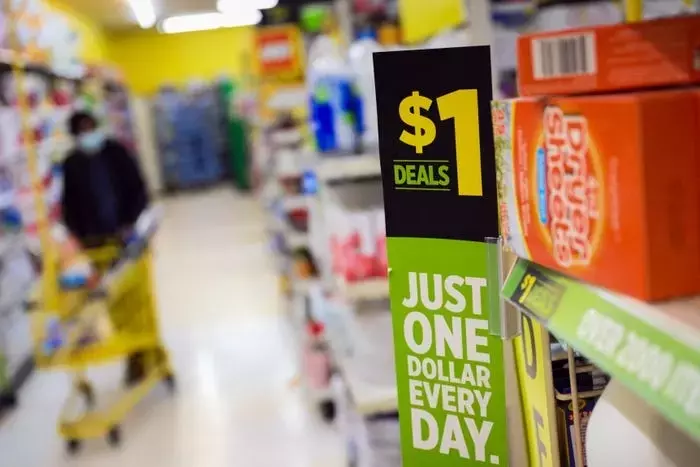
Dollar General, a prominent discount retailer with over 21,000 locations across the United States, is currently facing significant legal challenges regarding its pricing integrity. The Federal Trade Commission (FTC), alongside a coalition of 20 U.S. states, initiated a lawsuit against the company, citing allegations of widespread deceptive pricing practices. This legal action underscores a persistent issue where advertised prices on shelves, tags, and promotional materials did not match the prices charged at checkout, leading to consumers being routinely overcharged.
For an extended period, Dollar General has reportedly been aware of these discrepancies, yet, according to the FTC's statement, failed to adequately address the problem. The lawsuit emphasizes that the company has accumulated millions of dollars through these alleged overcharges, primarily impacting customers in rural and lower-income communities who heavily rely on the retailer's offerings. This federal intervention follows a recent settlement in New York State, where Attorney General Letitia James secured a nearly .9 million civil penalty from Dollar General for similar overcharging issues, although New York did not join the broader FTC complaint.
The legal proceedings against Dollar General are part of a larger conversation about pricing transparency and fairness within the retail industry, particularly as digital pricing systems become more prevalent. Major retailers such as Walmart, Target, and Home Depot have publicly committed to maintaining transparent and consistent pricing, both in-store and online, to reassure consumers. This commitment reflects growing consumer concern and regulatory scrutiny over pricing accuracy, aiming to ensure that shoppers are charged the advertised price without hidden discrepancies.
The integrity of market operations relies on fair and transparent pricing. This lawsuit serves as a crucial reminder for businesses to uphold ethical practices and for consumers to remain vigilant, advocating for their rights. Such legal challenges not only aim to rectify past wrongdoings but also foster a marketplace where honesty and consumer trust are paramount, contributing to a more just economic environment for all.