Beyond Brand Loyalties: A Balanced Perspective on Pixel and Samsung Smartphones
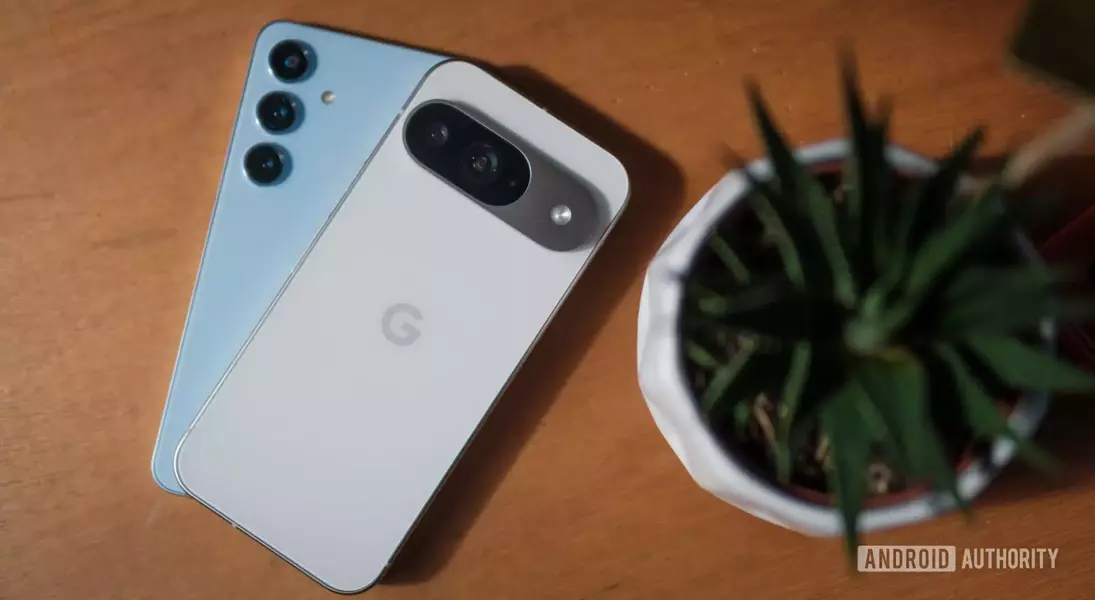
In the expansive realm of consumer technology, a prevalent notion suggests that an affinity for one product automatically translates into disdain for its competitor. This essay aims to dismantle this oversimplified binary, particularly within the smartphone arena, by examining the distinct appeals of Google Pixel and Samsung Galaxy devices. Rather than perpetuating a rivalry, it highlights the diverse factors that shape individual preferences, from software ecosystem to hardware specifications and camera outputs, thereby fostering a more comprehensive appreciation for both technological giants.
The debate surrounding smartphone preferences, often framed as a rigid "us vs. them" narrative, frequently echoes the long-standing rivalry between iconic beverage brands. Just as preferring one cola does not imply an aversion to the other, an individual's choice of smartphone, be it a Google Pixel or a Samsung Galaxy, often stems from specific needs and aesthetic inclinations rather than outright animosity towards the alternative. Working in the tech journalism sphere has consistently revealed this polarized viewpoint, particularly pronounced in the Android versus iOS debate, and equally evident in the discussions surrounding Pixel and Samsung devices. A common accusation against Pixel enthusiasts is an inherent bias against Samsung, simply due to their observable preference for Google's offerings. However, such an assumption disregards the practical realities of a diverse tech landscape. For instance, many Pixel users, including myself, frequently utilize Samsung devices, like the Galaxy S21 Ultra, for their unique functionalities and the distinct user experience offered by Samsung's One UI, which complements the lean, stock Android experience of Pixel phones.
Delving deeper into the reasons behind user preferences reveals nuanced distinctions. Pixel enthusiasts are often drawn to its software—Pixel UI—known for its streamlined, bloatware-free experience and prompt updates, closely mirroring the native Android environment. Unlike Samsung's approach, which often duplicates core applications with its proprietary versions, Pixel maintains a singular, uncluttered app ecosystem. This minimalist philosophy extends to its user interface, which is significantly less overwhelming compared to Samsung's feature-rich One UI. Google's strength lies in its ability to elegantly address user pain points through innovative software features, such as the dedicated 'Pixel Screenshots' folder for organization and the 'Now Playing' function that identifies music on the lock screen without requiring a separate application. Furthermore, Pixel's hardware design has shown significant evolution, with smaller form factors packing flagship-level specifications, contrasting with Samsung's largely consistent design language over recent years. While both brands offer excellent camera capabilities, Pixel's philosophy leans towards producing true-to-life images, whereas Samsung often provides a more hyper-realistic, aesthetically enhanced output, catering to different photographic tastes.
Conversely, Samsung users are captivated by the extensive feature set of One UI, which provides capabilities often absent in Pixel devices. Features like DeX, transforming the phone into a desktop-like interface, robust automation through Samsung Routines, deep customization options via Good Lock, and dual-Bluetooth connectivity are compelling reasons for loyalty. Beyond software, Samsung's flagship phones predominantly integrate Qualcomm's powerful Snapdragon processors, which generally outperform Google's Tensor chips in raw performance benchmarks. This superior processing power, coupled with advanced camera hardware—such as 200MP primary sensors and multiple telephoto lenses in models like the Galaxy S25 Ultra—offers unmatched versatility and control for photography enthusiasts through applications like Expert RAW. Perhaps the most significant factor limiting Pixel adoption is its restricted global availability compared to Samsung, which serves a much broader international market. This disparity means that millions worldwide have primary access to Samsung devices, influencing their brand allegiance and shaping their perception of the mobile landscape, even when some Pixel features are geographically constrained or manually activated.
Ultimately, the discussion is not about declaring one brand superior to the other, but rather acknowledging the valid reasons behind each user's choice. Both Pixel and Samsung offer compelling experiences tailored to different priorities and preferences. It's perfectly rational for a Pixel user to appreciate Samsung's robust hardware or for a Samsung user to admire Pixel's software innovations. As with any complex technology, no single device is flawless; every design involves trade-offs. Embracing this perspective allows for a more constructive and inclusive dialogue within the technology community, moving beyond tribalistic brand loyalties to a mutual respect for diverse product philosophies and user needs.