Blocking Granzyme K Protein Might Shield Organs from Age-Related Deterioration
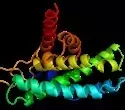
New research from Monash University reveals a protein that plays a pivotal role in the age-related decline of crucial organs. This groundbreaking discovery offers a fresh perspective on combating the impact of aging on health.
Details of the Breakthrough Study
The study, published in the prestigious journal Immunity on November 12, 2026, by a team of dedicated researchers from Monash University, has uncovered a significant connection between a protein named Granzyme K and the aging process within the heart, liver, and kidneys. Granzyme K, a protein synthesized by immune cells, is known to exhibit a marked increase in concentration with advancing age in both murine models and human subjects. However, its exact contribution to organ damage throughout the aging trajectory remained largely unexamined until now.
Professor Nicole La Gruta, a lead investigator from the Monash Biomedicine Discovery Institute, highlighted the potential ramifications of these findings. She remarked, "As individuals grow older, their organs naturally undergo alterations that heighten vulnerability to various ailments, including cardiovascular and renal diseases. Our research indicates that Granzyme K is a key instigator of this degenerative process."
A particularly compelling aspect of the investigation involved preclinical trials utilizing mouse models. In these studies, older mice genetically engineered to lack the Granzyme K protein displayed notably diminished indicators of organ aging, despite their immune systems progressing through normal age-related changes. Specifically, these mice exhibited enhanced cardiac function and a reduction in fibrosis—a scarring condition that can impede organ efficiency. Furthermore, their livers and kidneys demonstrated fewer signs of age-associated deterioration. Analysis of human data sets corroborated these observations, revealing elevated Granzyme K levels in patients suffering from a range of inflammatory and fibrotic conditions, such as lupus nephritis and heart failure.
Professor La Gruta emphasized the importance of this revelation: "This discovery is especially pertinent given that aging is a primary risk factor for numerous chronic conditions, including heart and kidney ailments. The cumulative damage sustained by our organs over time can render us more susceptible to severe health issues in our later years."
The research team is currently exploring methods to precisely inhibit Granzyme K to ascertain whether such interventions could confer similar protective benefits later in life. While acknowledging the need for further validation, particularly in human subjects, Professor La Gruta expressed optimism: "Identifying a protein that contributes to damage across multiple organ systems provides an exciting new direction for research aimed at promoting healthier aging."
Implications for a Healthier Future
This remarkable scientific endeavor offers a beacon of hope for extending human health span. By potentially decoupling organ aging from immune system aging, the research challenges long-standing assumptions in geriatric medicine. If therapeutic strategies can be developed to safely and effectively block Granzyme K, it could revolutionize the prevention and treatment of age-related diseases, allowing individuals to enjoy more robust and functional lives well into their senior years. This scientific stride invites us to envision a future where the golden years are truly golden, marked by vitality rather than by the burden of chronic organ decline.