Oil Prices Surge as Trump Reinstates Sanctions on Iran
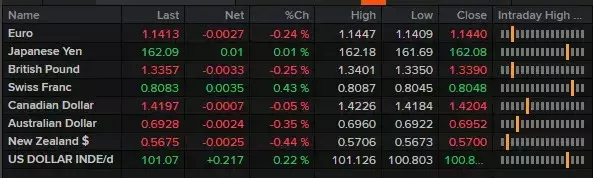
Today's trading session saw the energy market surge dramatically as crude oil prices climbed, driven by former President Trump's reinstatement of sanctions against Iran. This action has sent ripples across financial markets, leading to increased Treasury yields and a strengthened US dollar, while equity markets, particularly in the tech sector, showed mixed signals amid broader inflation worries.
Detailed Market Insights: Oil Surge and Economic Repercussions
On July 7, 2026, the global financial landscape responded dynamically to significant geopolitical and economic shifts. A pivotal moment occurred with the American Treasury's decision to retract the oil sanctions exemption previously granted to Iran, a move directly influenced by former President Trump's administration. This led to a substantial increase in West Texas Intermediate (WTI) crude oil prices, which jumped by .45 to .00 per barrel. This surge was initially a slow burn throughout the New York trading afternoon but gained momentum after the sanctions waiver withdrawal, signaling a potential collapse of diplomatic efforts and a tightening of global oil supply.
The broader market reactions were immediate and varied. Gold experienced a downturn, falling by to 14, while US 10-year Treasury yields rose by 7 basis points to 4.55%, reflecting investor concerns and a flight to safety in government bonds. The S&P 500 index saw a modest decline of 0.4%, indicating general market unease. Among currencies, the Swiss Franc (CHF) demonstrated strength, leading the pack, while the New Zealand Dollar (NZD) lagged behind. The technology sector, especially companies heavily invested in artificial intelligence (AI), faced considerable pressure. Early trading saw significant drops, with some AI-related stocks losing up to 10% of their value, effectively erasing gains from the previous month. This volatility suggests a potential cooling or re-evaluation phase for the AI market.
Economically, a recent survey conducted by the New York Federal Reserve revealed an unsettling trend: inflation expectations are on the rise, reaching their highest levels since 2023. This increase is particularly concerning because it occurred despite a forecast decline in oil inflation, suggesting that inflationary pressures are becoming more widespread across various sectors of the economy. Federal Reserve official Williams's remarks during this period offered little new insight, reinforcing existing narratives about the economy's steady growth trajectory.
The return of sanctions on Iran points to ongoing instability in the Middle East, with previous reports indicating attacks on tankers and Japanese shipping convoys navigating sensitive corridors. The revocation of the waiver underscores the challenges in maintaining international agreements and peace in the region, which continues to be a major factor influencing global energy markets and investor sentiment.
The confluence of geopolitical tensions and evolving economic indicators presents a complex picture for investors. The oil market's response highlights the sensitivity of global supply chains to political decisions. Meanwhile, the mixed signals from the equity and bond markets, coupled with rising inflation expectations, suggest a period of heightened caution and strategic re-evaluation for market participants. The significant fluctuations in AI stock valuations remind us that even the most promising sectors are not immune to broader market sentiment and economic shifts, urging a more nuanced approach to investment strategies.